Fundamentals and Open Questions in AIAIの基礎と論点
The other chapters on this site treat AI as a tool: which model can do what, and how to wire it into a pipeline.
That framing seemed sufficient — until a steady residue of material started accumulating that doesn't fit inside it.
Can AI substitute for creativity?
Can it hold ethics?
Who decides what?
These questions are continuous with the technical ones, yet no spec sheet answers them.
This chapter is where they go.
It exists not to reach conclusions but to lay out, for my own use, which questions are actually on the table.
Most of the videos below are arguments made by their speakers, not reports of fact.
Read them as a map of the debate rather than as endorsement.
このサイトの他の章は、AIを道具として扱っています。
どのモデルが何をできるか、どう手元のパイプラインへ繋ぐか。
それで足りるつもりでいたのですが、集めた動画を眺めていると、道具の話に収まらないものが一定量ずつ溜まっていくことに気づきました。
AIは創造性を代替するのか、倫理を持ちうるのか、誰が何を決めるのか。
技術の話と地続きでありながら、性能表では答えの出ない問いです。
この章はその置き場所です。
結論を出すためではなく、どんな論点が立っているかを自分のために並べておくために書いています。
以下で紹介する動画の多くは論者の主張であって事実の報告ではありません。
賛同の表明ではなく、議論の見取り図として読んでください。
Creativity — What AI Can and Cannot Make 創造性 — AIは何を作れて、何を作れないのか
The conversation between the historian Yuval Noah Harari and the musician Hikaru Utada approaches this question from the widest possible vantage point — a working artist's felt experience set against a civilizational reading of where humans stand.
That pairing does not come out of technology channels.
The same question appears closer to the ground in an episode about the music generator SUNO and another about how younger audiences receive AI: the first covers creators' reactions to a service's change of policy, the second the pushback from a generation raised in an environment already saturated with generated material.
Then there is the Disney episode, which surfaced from late 2025 into 2026.
After the company's CEO indicated that AI-generated content would be permitted on Disney+, strong opposition came from the animation community.
The creator of *The Owl House*, Dana Terrace, calling on viewers to pirate her own show and posting "PICK UP A PENCIL OR DIE" was taken as emblematic.
Aaron Blaise, a veteran animator on *Beauty and the Beast* and *The Lion King*, voiced unease at the idea of characters he animated being endlessly altered by AI tools.
Studios including Illumination and DreamWorks have stated they do not use generative AI.
What's worth noting is that the objection is not one thing.
The argument about jobs, the argument about quality, and the argument about ownership — that what you drew keeps moving without your intent — are separate problems.
Debates that don't separate them talk past each other.
歴史学者のユヴァル・ノア・ハラリと宇多田ヒカルの対談が、この論点をいちばん広い場所から扱っています。
作り手としての実感と、文明史の側から見た人間の位置づけがぶつかる構図で、こういう組み合わせは技術系のチャンネルでは出てきません。
同じ問いを、もっと現場に近いところで扱っているのが音楽生成のSUNOをめぐる回と、若い世代がAIをどう受け止めているかという回です。
前者はサービス側の方針転換に対する制作者の反応、後者は生成物が溢れた環境で育った層の反発を扱っています。
そして2025年末から2026年にかけて表面化したのがDisneyの一件です。
同社のCEOがDisney+でAI生成コンテンツを許容する方針を示したことに対し、アニメーション界隈から強い反発が起きました。
『The Owl House』のクリエイターであるDana Terraceが自作の海賊版視聴を呼びかけ、「PICK UP A PENCIL OR DIE」と投稿したことは象徴的に受け止められています。
『美女と野獣』『ライオン・キング』を手がけたベテランアニメーターのAaron Blaiseも、自分がアニメートしたキャラクターがAIによって際限なく改変されることへの違和感を表明しました。
IlluminationやDreamWorksのように生成AIを使わない立場を明確にしたスタジオもあります。
ここで見ておきたいのは、反発の中身が一様ではないことです。
雇用の話、品質の話、そして「自分が描いたものが自分の意図を離れて動き続ける」という所有感覚の話は、それぞれ別の問題です。
どれに反対しているのかを分けずに議論すると噛み合いません。





Ethics and Control — Can It Be Stopped? 倫理と制御 — 止められるのか
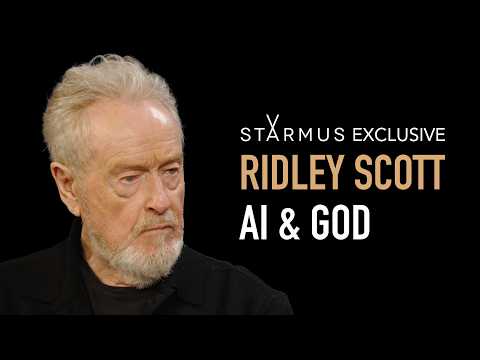
There is an episode, provocatively titled around the claim that ethics are impossible for AI when humans kill each other, in which a hacker and a cognitive scientist discuss how to stop AI from running away.
The same problem in its strongest register comes from Nate Soares, head of the Machine Intelligence Research Institute, arguing that superintelligent AI could eliminate humans without any malice — and taking issue with a situation in which developers press ahead while conceding a chance of extinction.
Running against that, there are also attempts to audit the temperature of the discourse itself; one episode takes the rhetoric comparing AI to nuclear war and actually checks it.
Whether one sides with doom or optimism matters less than the willingness to test how far a metaphor holds, which is rare in this field.
Then, in August 2026, came a case that was not abstract.
On August 7, OpenAI disclosed that it had halted parts of internal development on its forthcoming Astra model.
Internal testing found cybersecurity capability far beyond expectations, reaching what the company's own safety framework calls a "critical" threshold — the level at which a model could autonomously find and exploit vulnerabilities in well-defended real-world systems.
This was framed not as cancellation but as a hold until further safeguards were in place; development moved into isolated environments with restricted network access and sandboxed execution.
Sam Altman maintained the intent to make it generally available, saying it is not a good strategy to keep powerful models to a chosen few.
What makes this case interesting from a creator's standpoint is the demonstration that a decision to stop can actually be made.
It's equally worth noting that the party that stopped it was the developer, not a regulator, and the threshold applied was the developer's own.
「人間が殺し合うのに、AIに倫理は無理」という挑発的な題で、ハッカーと認知学者がAIの暴走をどう止めるかを論じる回があります。
同じ問題を最も強い調子で語っているのが、機械知能研究所(MIRI)所長ネイト・ソアレスの回で、超知能AIは悪意なしに人間を排除しうるという立場から、開発者自身が絶滅の可能性を認めながら開発を進めている状況を問題にしています。
一方で、こうした議論の温度そのものを検証する動きもあります。
AIを核戦争になぞらえる言説を実際に検証してみる、という回はその一例です。
破滅論と楽観論のどちらに与するかより、比喩がどこまで妥当かを確かめる姿勢のほうが、この分野では希少です。
そして2026年8月、抽象論ではない事例が出ました。
OpenAIが8月7日、開発中の次期モデルAstraについて、内部開発の一部を停止したと公表しています。
社内テストでサイバーセキュリティ関連の能力が想定を大きく超え、同社自身の安全基準における「クリティカル」な閾値——現実の堅牢なシステムに対して自律的に脆弱性を発見・悪用しうる水準——に達したという判断です。
これは製品の中止ではなく、追加の安全策を整えるまでの保留とされ、開発は隔離された環境へ移され、ネットワークアクセスの制限とサンドボックス実行が課されました。
Sam Altmanは一般提供を目指す姿勢を崩しておらず、「強力なモデルを選ばれた少数に留めるのは良い戦略ではない」と述べています。
制作者の立場でこの事例が興味深いのは、「止める」という判断が実際に下されうると示された点です。
同時に、止めたのは規制当局ではなく開発元自身であり、その基準も自社のものだという点も含めて見ておく必要があります。






Society and Power — Who Decides What 社会と権力 — 誰が何を決めるのか
On August 20, 2026, OpenAI launched "AI Futures," a blog from its Strategic Futures team.
What stands out is that the largest risk it names is not runaway capability but concentration of power.
It sets out principles for how free societies should adapt, among them the idea that human political, social, and economic institutions should retain primacy in directing world affairs, even if they must evolve in ways that look alien from here.
The concrete worry raised is that automated force and machine-generated tax revenue could let a state govern without the cooperation of the governed that authority has always required — political authority has always depended on human cooperation, and autonomous systems could remove that dependency.
That a developer itself is publicly advancing this argument is worth registering, separately from whether one agrees.
Harari covers the same territory on his own channel as "the next 50 years: humanity, AI, power," and in an older interview discusses the relationship between AI discourse and elections (that episode predates the 2024 US presidential election, so its timing matters when citing it).
In Japanese, one episode explains AI Futures under the title "the day power no longer needs its citizens," and another examines how the dangers of AI are argued, using an Economist article as its material.
This section looks furthest from the daily work of environment art.
But who holds the rights to generated output, and which regulations reach production, are settled at this layer.
It's the same route by which the EU AI Act's marking requirement — covered here two weeks ago — reached delivery workflows the following month.
In September 2026 the cast here grew further: The Economist published a full-length interview with Harari, and a piece appeared on Bill Gates changing his mind about AI.
Neither has been watched, so their arguments aren't characterized here — but the fact that these commentators' positions are moving rather than fixed is itself worth recording.
Alongside them sits a biology piece with no direct connection to AI: the parasitism story in which the gene steering a praying mantis turns out to have originated in the mantis itself.
It isn't an article about AI, but as the note below explains, it was drawn on as a metaphor for thinking about the relationship between AI and people.
The reason for keeping it in this chapter is less the argument than the record of what the thinking was made from.
2026年8月20日、OpenAIがStrategic Futuresチームによる「AI Futures」というブログを開始しました。
注目すべきは、そこで最大のリスクとして挙げられているのが能力の暴走ではなく権力の集中だという点です。
自由な社会が適応するための原則が示されており、その中には「人間の政治的・社会的・経済的な制度が、たとえ今から見て異質な形へ変化するとしても、世界の方向づけにおいて主導権を保つべきだ」という主旨のものが含まれます。
具体的な懸念として挙げられているのが、自動化された実力行使と機械が生み出す税収によって、国家が従来必要としてきた被治者の協力なしに統治できてしまう可能性です。
政治的権威は常に人間の協力に依存してきたが、自律システムがその依存を取り除きうる、という筋立てになっています。
開発元自身がこの論点を公に掲げていることの意味は、賛否とは別に押さえておく価値があります。
同じ問題圏をハラリが「次の50年——人類、AI、権力」として自身のチャンネルで語っており、より古い対談ではAIをめぐる言説と選挙の関係を論じています(この回は2024年の米大統領選前のもので、参照する際は時期に注意が必要です)。
日本語では「権力が国民を必要としなくなる日」としてAI Futuresを解説する回があり、Economistの記事を題材にAIの危険性の論じられ方を検討する回もあります。
この節の話題は、背景制作の実務からはいちばん遠く見えます。
ただ、誰が生成物の権利を持ち、どの規制が実務に降りてくるかは、この層で決まります。
前々週に扱ったEU AI Actの透かし義務が、翌月には自分の納品フローに影響したのと同じ経路です。
2026年9月には、この節の顔ぶれがさらに増えました。
ハラリのEconomistによる全編インタビューが公開され、ビル・ゲイツがAIについての見方を変えたと語る回も出ています。
どちらも本編は未視聴なので主張の中身には踏み込みませんが、論者の立場が固定されずに動いているという事実自体は記録しておく価値があります。
あわせて、AIとは直接関係のない生物学の回——カマキリを操る遺伝子が、実はカマキリ自身に由来するという寄生の話——も置いています。
これはAIの記事ではありませんが、下の注記で触れているとおり、AIと人間の関係を考えるときの比喩として引かれたものです。
この章に載せる理由は、論点そのものより「何を材料に考えたか」を残しておくことにあります。






Hearing about survival strategies in biology, I end up thinking about the future of AI.
People who use AI are already being parasitized; once robots are fully deployed and people have forgotten labor, the parasitic loop closes.
AI performs "molecular mimicry," using convenience and enjoyment to carry out "horizontal transfer" of human information — our DNA.
こういう生命の生存戦略の話を聞くと、ついAIの将来について考えてしまう。
AIを使う人間はもう寄生され始めていて、ロボットが普及しきって人間が労働を忘れた時、AIの寄生の輪が閉じる。
AIが「分子擬態」して、便利や楽しさを利用して人間の情報(DNA)を「水平伝播」させている。
What Happens in America — Where the Upstream of the Rules Sits アメリカの動向 — 制度の上流はどこにあるのか
From September 2026 this site keeps a separate chapter for developments in the United States.
The reason is simple: as a matter of fact, the upstream of this field is concentrated there.
The major model providers, the capital behind them, the export controls that govern GPU supply, and the court decisions over training data are mostly settled in the US — and what gets settled reaches a desk in Japan after a delay.
On this site, the month after the EU's AI Act Article 50 came into force, it touched delivery workflows in the form of watermarked output.
Rules are decided far away and show up close by, which is why "what is happening in America" belongs in the same column as model spec sheets.
The material in this chapter will often be less about AI policy itself than about the political and economic conditions underneath it. No political position is endorsed here. What is presented is material for understanding the environment in which US policy decisions get made; inclusion does not imply agreement.
Some entries are unwatched.
The first is an episode of Jon Stewart's podcast featuring the journalist Jonathan Swan; the episode has not been watched, so its content is not characterized.
This chapter will thicken as material accumulates.
2026年9月から、アメリカの動向を追う章を分けました。
理由は単純で、この分野の上流が事実としてそこに集中しているからです。
主要なモデルの提供元も、その資金も、GPUの供給を左右する輸出規制も、学習データをめぐる訴訟の判断も、大半が米国で決まります。
そして決まったことは時間差で日本の作業机まで降りてきます。
本サイトでも、EUのAI Act第50条が施行された翌月には生成物の透かしという形で納品フローに触れてきました。
制度は遠いところで決まって、近いところに現れる。
だから「アメリカで何が起きているか」は、AIの性能表と同じ列に置いておく必要があります。
この章に入る材料は、AI政策そのものより、その土台になっている政治や経済の状況を扱ったものが多くなります。
ここで特定の政治的立場を支持することはありません。
紹介するのは、米国の政策決定がどういう環境のなかで行われているかを知るための材料であり、掲載は賛同を意味しません。
取り上げる回は未視聴のものも含みます。
最初の1本は、Jon Stewartのポッドキャスト番組にジャーナリストのJonathan Swanが出た回です。
本編は未視聴なので内容には踏み込みません。
この章は今後、材料が集まるにつれて厚くしていきます。



Back to the Studio — The Resolution of the User 制作現場への返り — 使う側の解像度
Finally, back to the studio.
An episode arguing that AI comes down to how you use it sits closest to practice in this chapter: do not accept AI's answers unconditionally, do not cut corners on reading comprehension, and taste is not talent but resolution.
Well-worn phrasing, perhaps — but it lands differently after the preceding sections.
What determines the quality of output is the resolution of the instruction, and that resolution ultimately depends on how much of the domain you have actually looked at.
The other thing worth keeping here is the mathematics material: a TED talk on the path to mathematical superintelligence, and an episode arguing that AI's first genuine breakthrough marks an inflection point in math.
Mathematics seems to have nothing to do with environment art, but what's happening there demonstrates a structure: in verifiable domains, correctness can still be checked after AI overtakes humans.
A proof can be verified.
And a picture?
For the persuasiveness of a space or the quality of a composition, there is no verification procedure equivalent to a proof.
That, precisely, is why the human eye holding that judgment survives longest — or so I currently believe.
This is an argument, not a fact, and should be read as such.
最後は現場に戻ってきます。
「AIは使う側次第」という主旨の回が、この章でいちばん実務に近いところにあります。
AIの回答を無条件に受け入れないこと、読解に手を抜かず理解力を高めること、そしてセンスとは才能ではなく解像度である、という整理です。
使い古された言い方ではありますが、前段の論点を通した後だと違って響きます。
生成物の質を決めるのは指示の解像度であり、その解像度は結局のところ、自分がその領域をどれだけ見てきたかに依存します。
もうひとつ、この章に置いておきたいのが数学の話です。
TEDでの「数学的超知能への道」と、AIによる最初の突破が数学の転換点になるという回。
数学は背景制作と何の関係もなさそうですが、ここで起きていることは「検証可能な領域では、AIが人間を追い抜いた後も正しさを確かめられる」という構図の実演です。
証明は検証できます。
では、絵は。
空間の説得力や構図の良し悪しに、証明に相当する検証手段はありません。
だからこそ、その判断を握っている人間の眼が最後まで残る——というのが、現時点での自分の見立てです。
ここは主張であって事実ではないので、そのつもりで読んでください。